


Chattanooga Radio DJ is a Lucky Man on a Mission
Posted by LE on 7th Dec 2016
Radio DJ Gene Lovin may be the luckiest man in Chattanooga ever to have a heart attack.
Or the unluckiest.
Lovin, a familiar voice on local radio stations since the 1970s, has emceed the Medical Society of Chattanooga and Hamilton County's annual Denim and Diamonds fundraiser for 15 years.
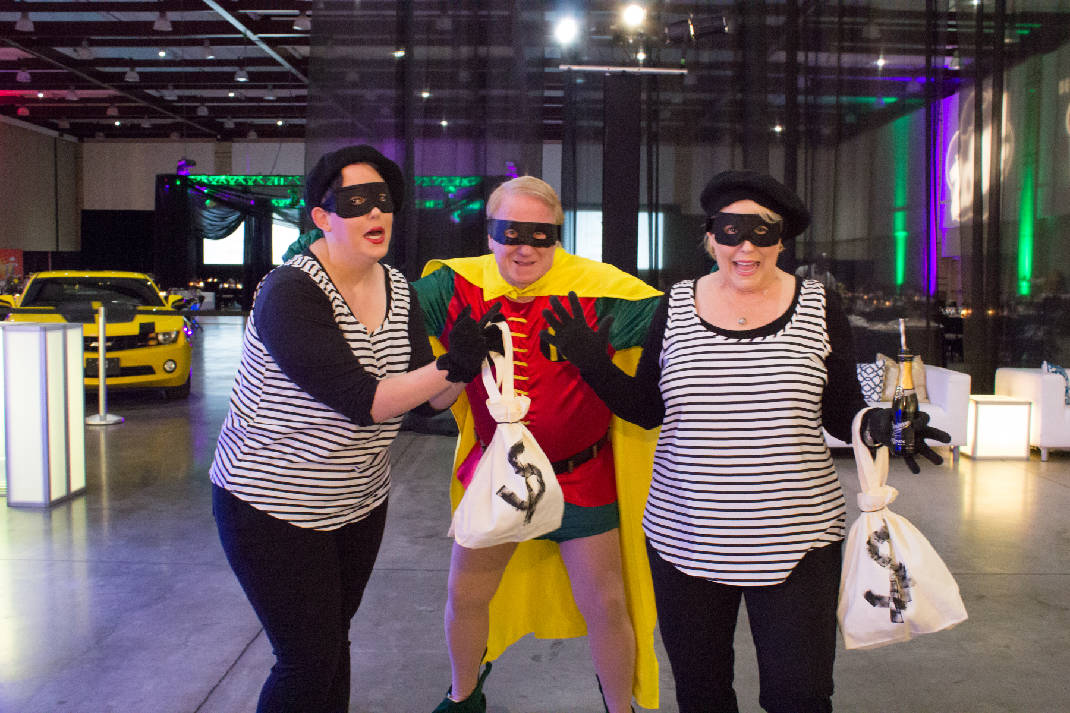
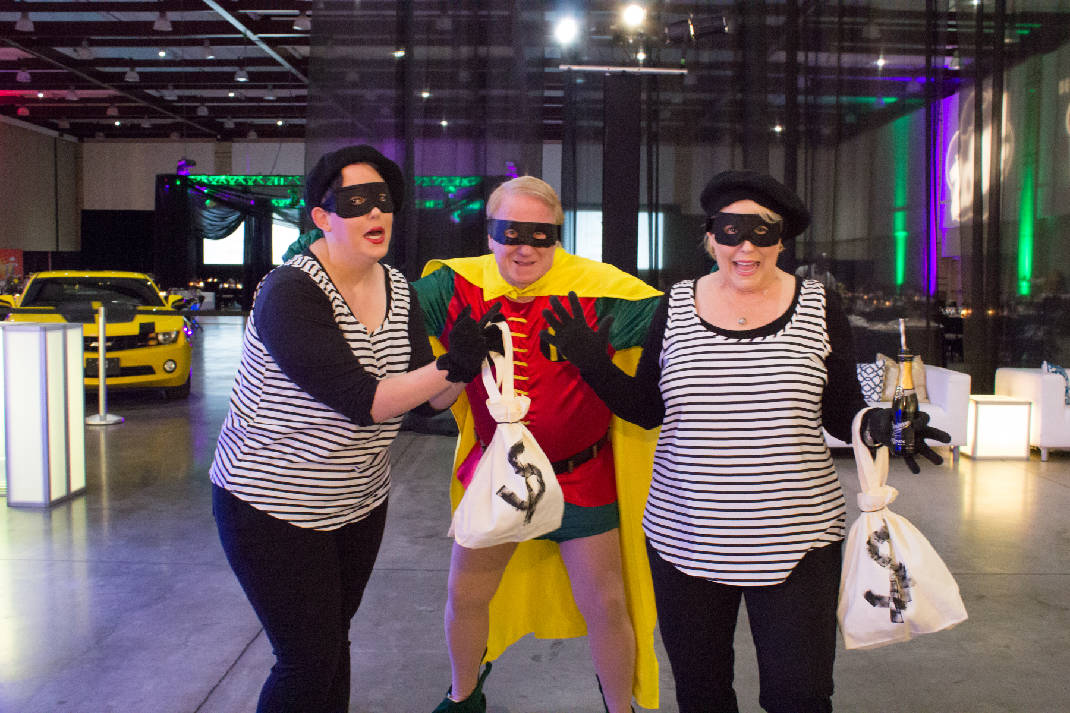
The theme for this year's March 5 event was "Heroes and Villains," and as the crowd gathered, Lovin posed for photos dressed in a bright red and green costume with a flowing yellow cape as Batman's sidekick, Robin the Boy Wonder.
In one photo, he has nabbed his daughter, Christina, and her daughter, Taylor, both dressed as bank robbers.
Seconds after that photo was taken, as some 600 guests entered the Chattanooga Convention Center ballroom, Lovin suddenly collapsed, falling against the photographer.
"As Gene went down, he just sort of sat and then his head leaned back against the photographer's legs and he slid down to the floor," Christina remembered.
He had suffered a massive heart attack, but in one of the best places possible — in front of an estimated 200 doctors.
Erlanger urologist Dr. Amar Singh was a few feet away. He had just asked his friend, Dr. Chris Lesar, what he wanted from the bar when, "I heard a big thud, and this guy looks totally blue. It looks as though he just dropped dead," Singh said.
Singh, wearing a sports jacket, checked for a pulse while Lesar, dressed as James Bond, began CPR, pushing down hard on Lovin's chest to keep his heart beating.
Christina Lovin, trained in CPR as a dental assistant, began breathing into her dad's mouth.
Dr. Mark Brzezienski, in a Zorro costume, rushed around the giant hall looking for AEDs, the portable, automated external defibrillators that can shock a heart back to life.
And that's when Lovin's luck failed.
Brzezienski rushed back within two minutes with an AED, hit the switch and nothing. The battery was dead.
"When you see your husband lying on the floor and see that yellow box come in and you know it is going to bring him back — and then you just crash," Gene's wife, Brenda Lovin, said in an interview at the couple's home in East Brainerd.
Brzezienski rushed off to find another AED and within minutes was back and its battery also was dead. A third AED was missing.
Lesar was dripping sweat, pushing down so hard on Lovin's chest he cracked his sternum in two places and fractured most of his ribs.
"You could hear the bones popping across the room," Christina Lovin said.
When Lesar tired, Singh alternated, as Christina kept breathing into her dad's lungs.
Four times they seemed to revive him, and each time his heart failed again.
"We had been doing CPR for about nine and a half minutes and 10 minutes is about all of the time you have to revive someone," Lesar said.
That's when the ambulance arrived. Brzezienski ran out to meet it, cape flowing behind.
"He had the doors of the ambulance open before it came to a full stop," Brenda Lovin said, "grabbing the AED and running it inside."
It took two shocks to revive Gene's heart, his wife said.
At CHI Memorial hospital, cardiologist Dr. Allen Atchley told Lovin's family he had a 90 to 95 percent blockage in an artery.
"He said he had had what's called 'the widowmaker' — he shouldn't be here, he shouldn't be alive," Brenda Lovin said.
Gene Lovin, who is 70, spent nearly two weeks in the hospital after quintuple bypass surgery. He's now almost back to normal — he's back at work, although not yet doing everything he did before. He stopped by Lesar's office on Shallowford Road two weeks ago to thank the doctor.
"I give him full credit with saving my life — had he not been as vigorous as he was and determined," Lovin said.
But Lovin and his family are now on a mission: to require more public places and workplaces to provide AEDs and to ensure they are working. He is hoping to have a bill introduced in next year's General Assembly to require a working AED anyplace where 100 or more people gather.
Singh agrees on the need.
"For the folks who maintain those or who check them, the significance of them being hypervigilant is a matter of life or death," he said. "There are plenty of people out there who know basic CPR, but having that device makes a huge difference. Minutes matter, seconds matter; no matter where you are, the fastest ambulance will be 15 minutes away."